


Myrtle Oak


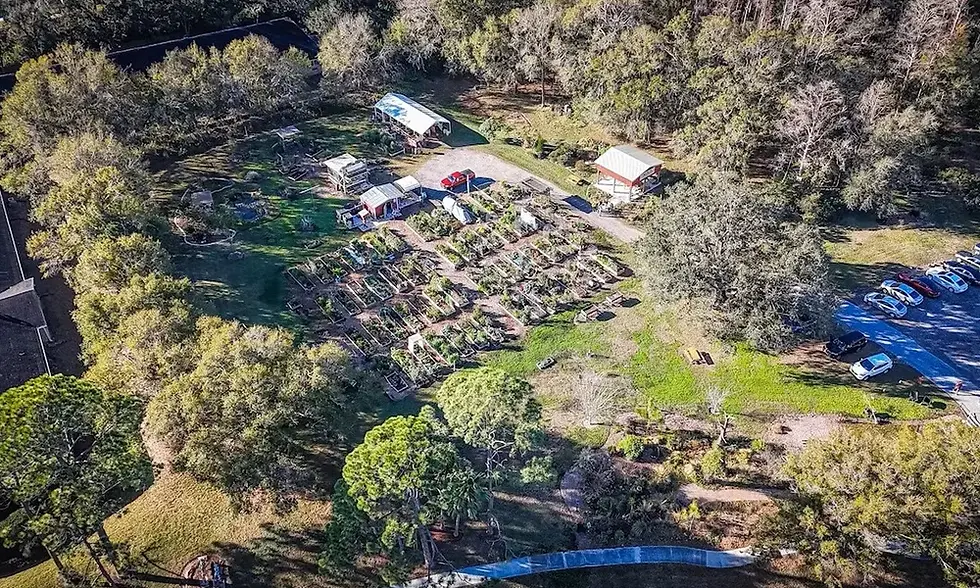
Recently another keystone plant, Myrtle Oak (Quercus myrtifolia), was planted in the Butterfly Garden, a registered Monarch Waystation Garden at VISTA Gardens.
Photo credit: Emily Bell Carrollwood Pollinator Corridor
A compact, evergreen oak native to Florida’s scrub, scrubby flatwoods, and sandy uplands, Myrtle oak often grows as a small tree or large, spreading shrub commonly reaching 10–15 feet in landscape settings. Its dense growth and modest canopy make it a useful choice for small spaces, naturalized areas, and wildlife-friendly gardens.
Myrtle oaks support a wide range of wildlife. Their foliage serves as a larval host for butterflies such as Horace’s duskywing (Erynnis horatius), Red-banded hairstreak
Myrtle oaks support a wide range of wildlife. Their foliage serves as a larval host for butterflies such as Horace’s duskywing (Erynnis horatius), Red-banded hairstreak
Photo credit: https://www.pslbg.org/myrtle-oak/
The acorns provide food for squirrels, small mammals, and birds, including the Florida Scrub-Jay (Aphelocoma coerulescens), the only species of bird endemic to Florida, while the plant’s branches offer useful cover, nesting sites, and perching places.
Myrtle oak trees require full sun to partial sun and acidic, sandy soil with dependable drainage. Once established, they tolerate extended dry periods and generally need little supplemental irrigation.
More information available from:


Comments