


Permaculture on Display in the H3and H4 Beds!


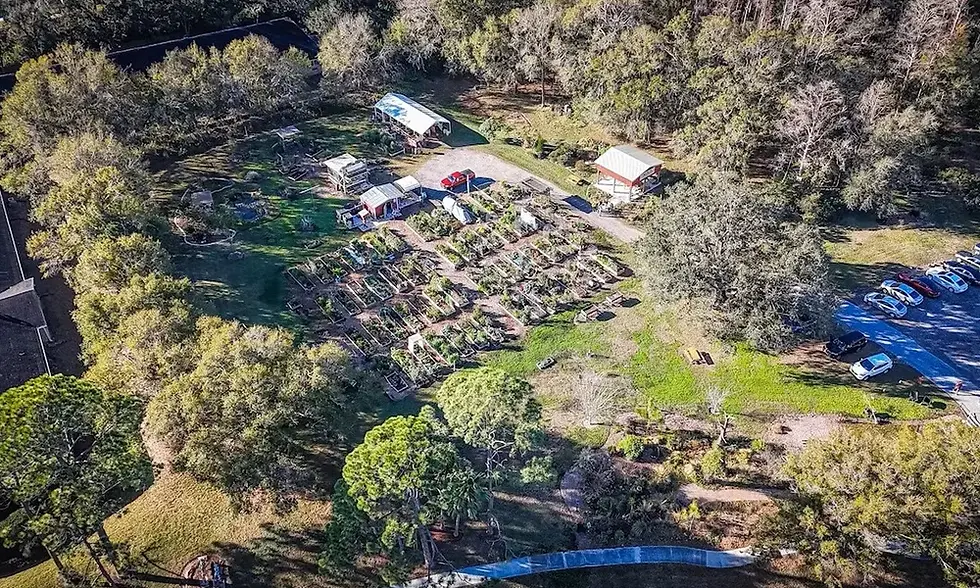
The farthest two beds adjacent to the compost tent now serve as a demonstration space
for core permaculture principles, while also functioning as a testing ground for
heat-tolerant plant varieties suited to our local climate. This area is being developed to
highlight sustainable practices such as soil building, water retention, composting,
companion planting, and biodiversity within a compact layout.
Given increasing temperature variability and prolonged heat periods, the focus is on
resilient species that thrive under these conditions. The intent is both educational and
practical: to model adaptive growing strategies while identifying plants that perform
well with minimal inputs and in harmony with the natural community.
As with any permaculture system, this space is evolving over time. The existing soil has
required gradual improvement. This area is intended as a living example for
VISTA—demonstrating how thoughtful design, ongoing stewardship, patience, and
plant selection can reduce resource use, improve soil health, and maintain productivity
even in challenging climates.
The foundational soil building is progressing well, and the initial heat-tolerant plantings
are establishing. We are now seeing success with several warm-season varieties,
including pigeon peas, yardlong beans, and purple hull peas as nitrogen fixers that can
also be used for chop-and-drop mulching. Additionally, the eggplants (which are
perennials in our climate) and the drought-tolerant salvia are doing well, with the latter
currently feeding the bees.
While beds H3 and H4 will continue to evolve with new additions, the core principles
are taking root nicely. These species are beginning to work in harmony with the natural
community, demonstrating that they can perform well with minimal inputs.
As part of VISTA’s continuous education, once the crops are ready, they may be sampled
gently. Please note these two beds are intended for educational tasting rather than a full
u-pick harvest. For more info on what is happening in these beds, please contact Ruchi (who also gardens in AE1 and 2).


Comments